The Sovereign Campaign - Medical Tyranny
“Of all tyrannies a tyranny sincerely exercised for the good of its victims may be the most oppressive.” - C. S. Lewis
Good quality medical care is something everyone wants. As a result it is easy for governments to play a large role in healthcare. However bureaucratic rigidity and centralized power can lead to consequences that strip away personal sovereignty.
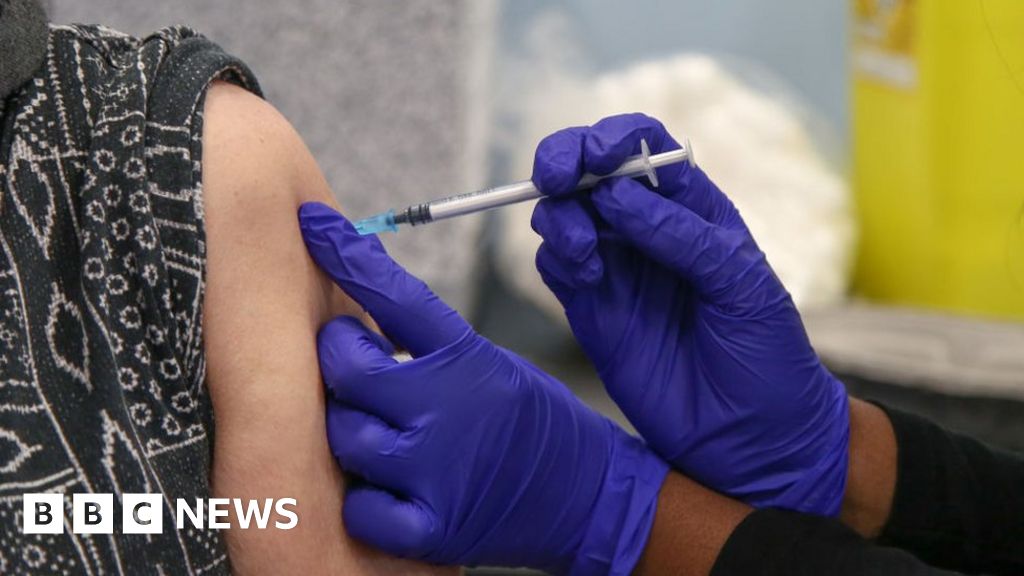
Recent articles in the BBC show a dangerous progression towards medical tyranny. A headline on the BCC website on January 16, 2024 stated “Covid jab skipped by 44%, entire UK study finds” here is a link to the article: https://www.bbc.co.uk/news/health-67980238
How did a study register the entire country? The research was conducted by the Lancet. The article notes: “In a first, health records for everyone over five in the UK were analysed.” Did citizens of the UK have the right to opt out of the study? Did they even know their medical records were being analyzed by a medical journal? Should they have the option to opt out of a study that is for the benefit of everyone?
The article quotes Professor Cathie Sudlow saying "We believe that we could and should extend these approaches to many other areas of medicine, such as cancer, heart disease and diabetes, to search for better understanding, prevention and treatment of disease."
All of the data is anonymized but how many people have access to it? One thing is clear. You have no private medical data if you use the NHS in the UK. Will the NHS eventually sell anonymized health data to research institutions?
This may not seem like a big concern but a government agency that controls your healthcare can have disastrous consequences. The story of Indi Gregory highlights this. For background see: https://www.bbc.co.uk/news/uk-england-derbyshire-67400915
Indi had been granted Italian citizenship in an attempt to preserve her life, but courts in the UK decided she had to die because it was the most compassionate thing for her. The wishes of her parents and the Italian government notwithstanding. In the name of compassion a life was ended. This approach robs a patient of a chance to live while new treatments are being developed or the chance to try experimental treatments. It also makes the state the final arbiter in choices of life and death. In ceding power of healthcare to government freedom is lost.
If a cost conscious government is trying to save money it may become cheaper to encourage death over prolonged treatments. Such decisions will be presented as a compassionate option. This brings us to state sponsored suicide. The BBC highlighted this issue in Canada in this article: https://www.bbc.co.uk/news/world-us-canada-64004329
A tyrant only has use for you while you are a benefit to the tyrant. Once your utility diminishes you are expendable. If medical tyranny is allowed to expand death will become the standard choice made as patient utility diminishes. Beware of medical tyranny.